


A Croatian cruise brings the chance to explore an enticing blend of stunning landscapes, rich history, and mouthwatering cuisine. The country boasts magnificent coastal towns like medieval Dubrovnik and ancient Split along with more than a thousand islands. It’s the perfect place to island hop, with a small-ship cruise bringing the opportunity to explore popular islands like glamorous Hvar along with lesser-known gems that those large vessels just can’t reach. As it sits at the crossroads of Central and Southeast Europe, it makes it easy to explore neighboring countries too, including Montenegro, Slovenia, and Italy. There are so many reasons why Croatia is a great cruising destination; going into more depth, you’ll quickly understand why it’s an adventure of a lifetime.

Why Croatia is a Great Cruising Destination
Beautiful Coastline & Islands
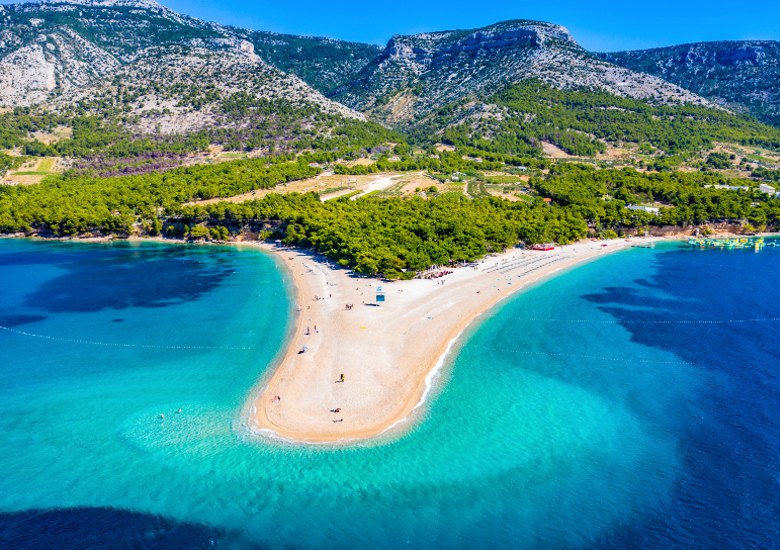

A Croatia cruise means discovering a coast and islands with some of the most beautiful beaches, many of which are tucked into secluded coves and framed by crystal-clear turquoise water. One of the most famous is Zlatni Rat on Brac Island. Also known as the “Golden Horn” with its unique shape, it swirls out nearly a third of a mile into the Adriatic with white pebbles that glisten in the sun while surrounded by translucent blue water on three sides. Then there’s Stiniva, nestled in a cove between towering cliffs with incredible emerald waters. There are many secluded stretches in the Elaphiti archipelago near Dubrovnik, like sandy Sunj Beach in a quiet cove on Lopud Island, backed with pine trees for shade.
Historic Sites & Cities
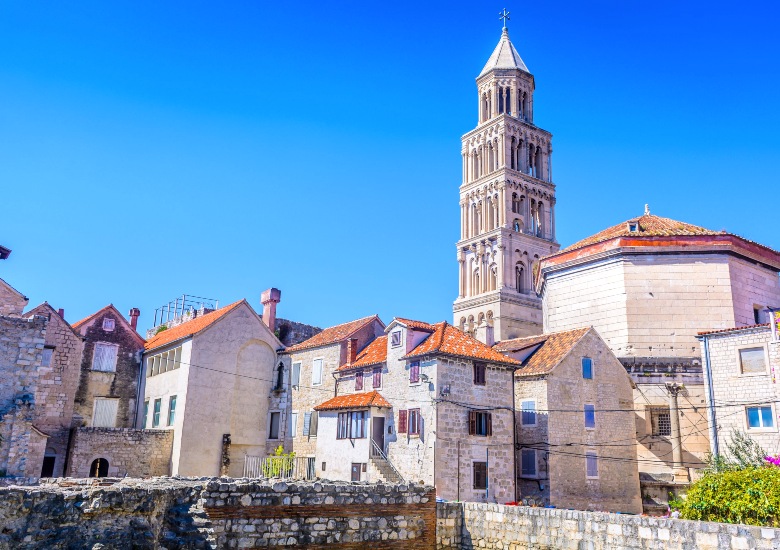
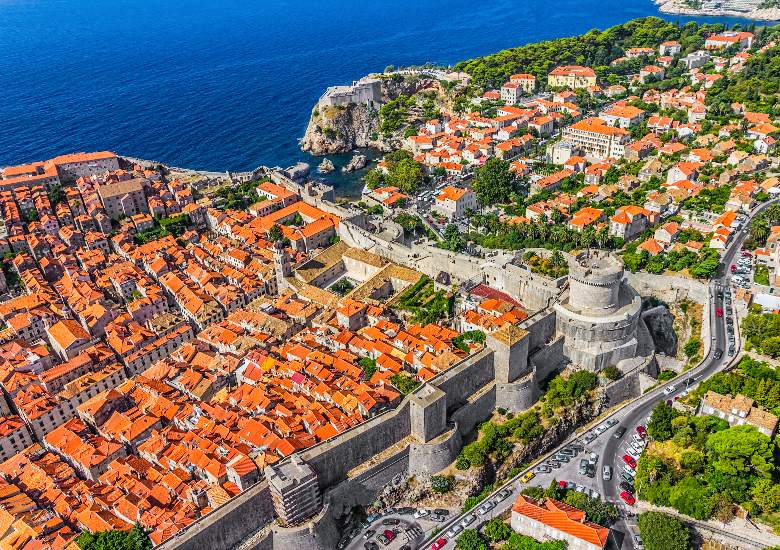
There’s lots of history to explore in Croatia, with such a long list of sites it would take years to discover them all. Many of the most intriguing can be found in cities like Zadar which has a past dating back 3,000 years. Highlights include the 1st-century BC Roman forum, the 9th-century St. Donat’s Church, and 16th-century defensive walls. Of course, Dubrovnik is famous for its walled Old City, a medieval historic center filled with Renaissance and Baroque buildings as well as being home to multiple fortresses. Ancient Split is spectacular, with its Roman Emperor Diocletian’s Palace. The complex dates to the late 3rd century, home to some of the world’s most well-preserved Roman architecture, including the 305 AD St. Domnius Cathedral.
Short Sailing Distances


Sailors consider Croatia a nautical paradise and part of the reason is the short sailing distances making it easy to visit many places on one cruise. The proximity of the coastal towns and islands reduces travel time allowing more opportunities for exploration without long stretches at sea. You might enjoy a leisurely breakfast in Hvar’s famous harbor and then wind through the nearby Pakleni Islands stopping to swim off a secluded beach. Or perhaps head to the stunning Blue Lagoon near Drvenik Veli to swim in the crystal-clear waters there. Cruises between Dubrovnik and Split take in many of the most popular islands, including Brac, Korcula, and Hvar while making it easy to explore both cities and all that they have to offer.
Warm Mediterranean Climate


The Adriatic is part of the Mediterranean region which experiences a warm climate with dry, hot summers averaging in the mid- to upper-80s Fahrenheit although it occasionally rises to the mid-90s. When out on the sea, it will feel cooler, often just right, ideal for swimming and other watersports. The long hours of daylight mean you’ll have plenty of time to enjoy it all. The typical wind blowing through in the summer is the Maestral wind, coming from the northwest during the late morning hours, gradually building until mid-afternoon providing excellent conditions for sports like windsurfing. In early autumn, enjoy pleasantly warm weather around 70 to 75 degrees with the sea still warm enough for swimming and only occasional, short-lived showers.
Calm Sailing Conditions


While it’s impossible to predict sailing conditions, typically the Adriatic is calm, with no big waves. The cruising routes tend to stay closer to the coast and main islands that are more sheltered from the wind. It also makes for smaller waves, typically between around 1.5 to 5 feet high. Occasionally there are rougher waters when crossing between some islands such as from Korcula to Hvar though they’re only encountered for a short time. Winter brings more powerful waves in the open sea, but Croatia cruises don’t run during the year’s chilliest months. Generally, it’s very unusual to experience bad weather and rough conditions between spring and late summer, making Croatia one of Europe’s most sought after destinations for cruising.
Delicious Local Cuisine & Wine


Croatia is also a foodies’ paradise. There are few eateries here that strictly cater to tourists. Dishes are frequently made using local ingredients for authentic farm- and sea-to-table meals. Ston is renowned for oysters, considered some of the world’s best, while Istria is known for its Italian-influenced dishes. Often compared to Tuscany, it’s known for its truffles found in everything from pastas to risottos, extra-virgin olive oil, and farm-fresh vegetables. Anywhere along the coast and in the islands, menus feature lots of fresh-caught fish and seafood. Peka is a signature dish, featuring roasted meat cooked on a spit over open flames. Wine enthusiasts can enjoy tasty local or regional wines to pair with it, with many small, family-run wineries throughout the country.
Variety of Cruising Routes

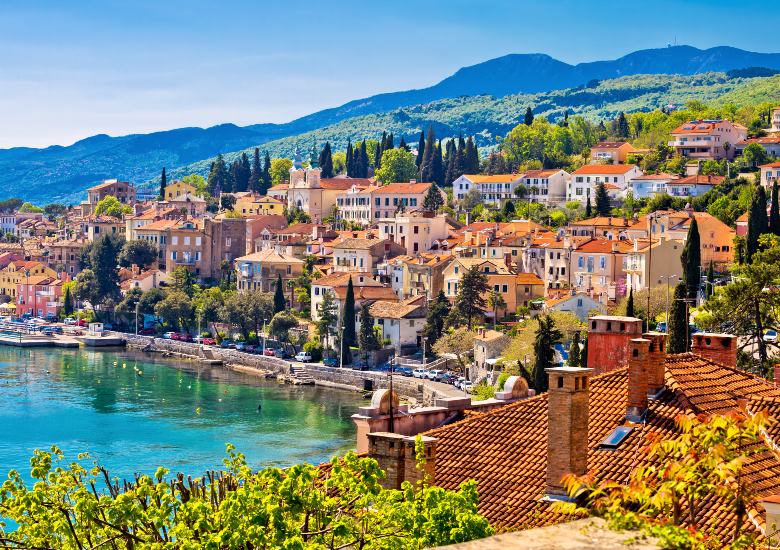
With hundreds of islands and over 1,100 miles of coastline, Croatia offers a wide variety of cruising routes. The most popular travel between Dubrovnik and Split, taking in some of the most incredible islands in between. Both cities book-ending this route are home to UNESCO World Heritage Sites with centuries-old streets and historic charms. You might sail around the Old City Dubrovnik walls, cruise to Ston to sample its mouthwatering oysters, and then head to Korcula to tour the Old Town. Sunny Hvar and Brac with its world-famous photogenic beach are often highlights. Among the other many options is the beautiful northern route, traveling from Split to Opatija with Plitvice LakesNational Park, Zadar, Losinj and Krk in between.
Easily Accessible National Parks


Croatia is home to eight easily accessible national parks with spectacular scenery and a wealth of outdoor adventures on offer. Some of the most popular on a cruising Croatia vacation include Plitvice Lakes National Park, popular for hiking with trails showcasing 16 interconnected lakes in brilliant shades of blues and greens while nearly 100 waterfalls are laced in between. Krka National Park also boasts beautiful waterfalls along the turquoise Krka River, while Mljet National Park on Mljet Island is known for its dense forest and saltwater lakes with watercraft rentals available for exploring them. Cruises sailing a more northern route might visit Kornati National Park, home to 89 of the Kornati archipelago’s 140 islands surrounded by remarkably clear water ideal for snorkeling.
Excellent Marine Life


Cruising on a small ship in Croatia provides the chance to anchor in secluded bays where you’ll be able to leap into the azure waters and witness vibrant marine life. While the Adriatic Sea is relatively small, it’s big enough to accommodate a remarkable array of flora and fauna. You might even spot the Mediterranean monk seal, one of the world’s most endangered mammals. Striped dolphins and bottlenose dolphins like to play in the surf and three different sea turtle species can be found here as well: the leatherback, green, and loggerhead. Moray eels, schools of tuna and swordfish, stonefish, red sea bream, octopus, and hermit crabs, are just a few of the fish that might be spotted around reefs throughout the Adriatic.
Outdoor Activities


Croatia offers cruisers a wealth of outdoor activities on land, in, and on the water. Most small-ship cruises include daily or near-daily swim stops in hidden coves and secluded bays. Snorkeling gear is often included for discovering everything from vibrant reefs to underwater canyons. There may be opportunities for windsurfing on islands like Brac, renowned for its outstanding conditions. During stops, hiking is often possible, whether you’re on the mainland visiting Plitvice Lakes National Park or an island like Mljet with miles and miles of trails winding along lakeshores and through the woods. In the renowned Cetina River Canyon, one can embark on a thrilling whitewater rafting adventure or whiz across a zipline taking in a view from above.
When is the Croatia cruising season?


The Croatia cruising season generally runs from around mid- to late-April through about mid-October when the weather is typically at its best. Many feel the best time to cruise is during the summer, between around mid-June through August when the seas are at their calmest and temperatures range from 79 to 86 degrees Fahrenheit. The shoulder seasons fall at the early and latter part of the cruising season, April through mid-June and late September through mid-October. During these periods there are fewer crowds, although in April and May, the sea may be too chilly for swimming. If you come in early autumn, the days will be a bit shorter, but the sea will still be warm for a comfortable swim.
Check out our full guide on the best time to sail in Croatia here.
Talk to our Croatia Cruise Experts Today
You may be interested in

Advantages of a Small Ship Cruise in Croatia
If traveling on a huge ship jam-packed with countless others isn't your idea of a pleasant vacation, a small ship cruise in Croatia might be…
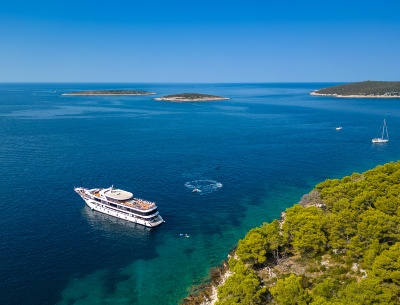
The 3 Best Dalmatian Coast Cruises
Taking a small ship cruise in Croatia is an exceptional and convenient way to explore the Dalmatian Coast. With a variety of routes and cruising…
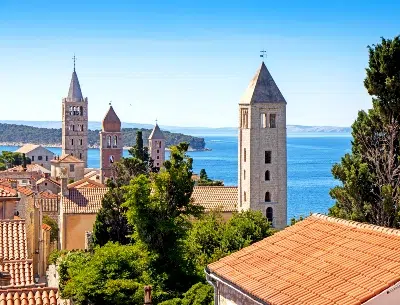
Where to Go After Your Dalmatian Coast Cruise
On your Dalmatian coast cruise, you're likely to visit coastal cities on the mainland like Split and Dubrovnik while island-hopping in between, perhaps to Hvar,…