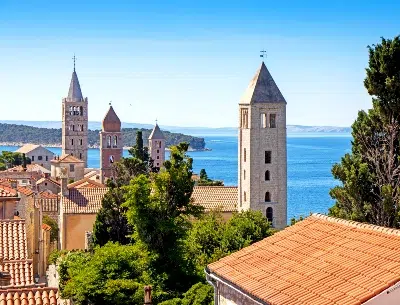
A well-kept secret to those outside the region, the Elaphiti Islands lie off the Dubrovnik coast, easily reached by ferry and often visited on a small-ship Croatia cruise. The archipelago includes 13 islands, with only three inhabited. They’re popular for day trips, although it is possible to stay the night during your Croatia vacation, with a handful of accommodations, including boutique hotels, private villas and apartment rentals. Each island has its own unique charms with striking beauty, surrounded by brilliant turquoise water with a mix of sandy and pebbly beaches, including secluded stretches for peaceful relaxation. A wealth of activities await with something for nearly all types of active adventurers, from swimming, snorkeling, and diving to paddleboarding, kayaking, hiking, and biking.

Discover the Elaphiti Islands: Dubrovnik’s Island Gems
How to Get There


As noted, the Elaphiti Islands are easily accessed by ferry, charter, or boat tour, or via Croatia cruise. There is no airport in the archipelago, with the closest Dubrovnik International Airport. The cheapest way to access the islands is by ferry with frequent connections from Dubrovnik to the main islands. Booking a private boat tour provides the most freedom with the opportunity for a more tailored experience. You might even discover off-the-beaten-path, secluded locations. There is also a wide range of operators offering organized excursions from Dubrovnik, including day trips that can bring you to the popular attractions on each of the main islands in only a single trip. Small ship cruises often include routes that visit the Elaphitis too.
Exploring the Main Islands


Kolocep
Kolocep is the southernmost inhabited island. The locals refer to it as “Kalamot” and call themselves “Kalamotezi.” As it’s car-free, you won’t have to deal with the noise or hassle of traffic, providing a peaceful atmosphere with stunning scenery. Lush and green, it boasts unspoiled beaches that edge crystal-clear turquoise water, some of which are tucked into hidden coves along with a number of historic sites to discover. There are just two settlements, including Donje Celo in the north and Gornje Celo in the southeast. Both feature cobblestone streets that are enticing to explore with traditional homes and centuries-old churches and monasteries, although the main reason to visit is the nature, peace, and quiet with a couple of waterfront cafes offering “nightlife.”
Kolocep’s Top Attractions & Activities
While the primary thing to do on Kolocep is to soak up the serene atmosphere, you’ll find plenty of activities to keep you busy. In addition to sunbathing on soft, sandy shores you can swim in the enticing water, remarkably clear in brilliant shades of turquoise. There are picturesque trails that meander through lush pines and it’s also possible to embark on a boat excursion to the secluded Blue Cave. The cave is renowned for its interior, filled with a surreal blue glow with the play of sunlight on the aquamarine water. Kolocep is also home to historic churches, including two that are nearly a thousand years old, while the oldest, the Church of St. Sergius dates to the 9th century.


Lopud
Lopud is also car-free, so instead of the roar of engines, you’ll hear the sounds of the waves, the birds, and perhaps a gentle breeze wafting through the pines. As with all the islands, there are many beautiful sandy beaches including stretches with powdery sands and calm water perfect for swimming and for families with children to splash around. Enjoy leisurely strolls along the waterfront promenade, stopping at one of the many dining venues for a meal, a glass of wine, or an ice cream. You’ll find practically endless photo ops and a rich past ripe for exploring that includes ancient churches and monasteries. LOPUD-1483 is a 15th-century monastery that was transformed into unique accommodation for visitors.
Lopud’s Top Attractions & Activities
For history buffs, the top attractions include the 16th-century ruins of Sutvrac Fortress, a Spanish fort sitting at the highest elevation point on Lopud. The largest fortress in the Elaphiti Islands, it’s worth the climb to the top for an awe-inspiring view over Lopud, its neighboring islands, and even all the way to the mainland and Mount Srd that backs Dubrovnik. If you want to spend a day at the beach, Sunj is one of the most popular as one of the few sandy beaches on the island. There is a long breakwater that protects the bay from the winds that blow in from the south, keeping the water nice and calm, suitable even for children to splash around.


Sipan
Sipan is the largest of the Elaphiti Islands with lots to see and do although it’s home to only 400 permanent residents. Covering approximately six square miles, its landscapes include everything from idyllic beaches and deserted lagoons to olive groves and lush greenery. The island has two main villages, including its namesake, the village of Sipan with traditional stone homes and a picturesque harbor, and the Sudurad with its well-preserved Old Town. Here, there are intriguing historical buildings that include ancient churches and ruins that date back to the Venetian period. As it’s not as touristy as some of Croatia’s most famous destinations, visitors can enjoy a tranquil, charming atmosphere along with rich heritage, history, natural beauty, and a wealth of outdoor adventure.
Sipan’s Top Attractions & Activities
One of the top things to do in Sipan is spend time at the beach. With a mix of pebbly and sandy stretches, you’ll have many choices. There’s a pebble beach nestled in a bay in the heart of Sudurad, with trees for shade, restaurants, and a variety of watercraft available for rent. You’ll find opportunities for swimming and snorkeling in the crystal-clear blue waters and on land, scenic paths for hiking and biking. You might take the trek to Velji Vrh, with your reward a spectacular view, enjoy wine tasting at one of multiple wineries, and visit historic sites, including the ruins of the 11th-century Church of St. Peter, a Roman villa, and the 13th-century Church of St. George.
Dining on the Islands


The Elaphiti Islands offer a wide range of dining options, particularly Lopud, Sipan, and Kolocep which are renowned for their fresh-caught seafood, a staple in many of the local dishes. You’ll find everything from traditional family-run konobas that serve authentic fare along with more upscale eateries with menus featuring Mediterranean cuisine with a modern twist. Many boast stunning views of the sea for memorable al fresco dining. Some of the signature dishes you can expect to encounter typically include items like seafood risotto, octopus, and grilled fish. There’s an emphasis on locally sourced ingredients, which include Elaphitis’ tasty wines that can be paired with your meals, such as a robust Plavac Mali red and crisp, white Posip.
Why Visit the Elaphiti Islands


The Elaphiti Islands are one of Croatia’s most captivating destinations, offering an oasis from the more crowded mainland and island hotspots. They practically guaranteed a blissful escape with breathtaking natural beauty, including lush greenery and unspoiled beaches framed by crystal-clear water in shades that range from deep emerald to brilliant aquamarine. A wide range of recreational activities await too, including hikes that lead to incredible views, and swimming and snorkeling among vibrant marine life. A variety of boat tours and other organized excursions are available for easy access and local insight, while history buffs will enjoy strolling through the islands’ charming medieval towns with centuries-old buildings. The culinary delights, including authentic Dalmatian fare, are yet another reason to visit the Elaphitis.
Best Time to Visit the Elaphiti Islands


The main tourist season throughout Croatia, including in the Elaphiti Islands, is between April and October. The peak of the season is mid-June through early September, which is when the archipelago will be at its most crowded; however, it’s almost always possible to find a tranquil spot. You can enjoy the most serene experience and pleasant weather by visiting in May or early June, or during the second half of September. If swimming is a priority you’ll want to come in early fall as the sea has had time to warm all summer, averaging around the mid- to upper 70s Fahrenheit. Spring may be too chilly for most as the water is still in the mid-60s.
Talk to our Croatia Cruise Experts Today
You may be interested in

Day Trips from Dubrovnik
Famous for its walled medieval Old Town, jam-packed with cultural and historical attractions, lively bars, outstanding restaurants, and incredible beaches, Dubrovnik is one of the…
Where to Go After Your Dalmatian Coast Cruise
On your Dalmatian coast cruise, you're likely to visit coastal cities on the mainland like Split and Dubrovnik while island-hopping in between, perhaps to Hvar,…
Advantages of a Small Ship Cruise in Croatia
If traveling on a huge ship jam-packed with countless others isn't your idea of a pleasant vacation, a small ship cruise in Croatia might be…