The Kvarner Gulf is a place where rich history blends with spectacular nature. It’s home to over 100 gem-like islands renowned for their cultural heritage and stunning beauty, long attracting those seeking a tranquil beach getaway and much more. While it is possible to charter a yacht or take a ferry from the town of Rijeka to explore the islands and the clear turquoise waters that surround them, our favorite way to visit is on an island-hopping small ship Croatia cruise with multiple routes to choose from. With an in-depth knowledge of the region, we’ve put together this guide to help you plan the most memorable visit during your Croatia vacation.

Opening Times - Mon to Fri: 9am to 5pm
Islands of the Kvarner Gulf: Why You Should Visit
Overview of the Kvarner Gulf

Sheltered by soaring mountains, the islands in the Kvarner Gulf are known for their mild climate and postcard-perfect beaches framed by sparkling turquoise waters for relaxing, swimming, and watersports. While the sun-soaked beaches are the biggest draw for visitors, you’ll also find scenic trails for hiking, a wide range of historic and cultural attractions, and traditional eateries serving mouthwatering dishes. There’s an emphasis on fresh, local ingredients, including fresh fish and seafood, wild herbs, and island-grown veggies, that can be paired with regional wines. While there is a long list of islands to consider for a visit, the most notable include Rab, Krk, Losinj, Pag, and Cres, each offering its own unique charms.
Where are the Kvarner Islands?
As noted, the Kvarner Islands are in the northern corner of the Adriatic Sea. Less than 50 miles from Trieste, Italy, they’re tucked between the Istrian Peninsula and the Croatian mainland. Perfectly positioned to provide breathtaking views of the mountainous mainland and the Adriatic. The islands’ diverse geography and proximity to major urban centers make them an easily accessible destination for locals and visitors alike. Rijeka International Airport is the primary airport serving the Kvarner region. Just 10.5 miles from the town of Rijeka, it’s located on the island of Krk which is connected to the mainland by one of the longest concrete bridges in the world.
How the Kvarner & Dalmatian Islands Differ

While the Kvarner and Dalmatian islands are all located off Croatia’s Adriatic coast, they have their own distinct characteristics and our cruises on the Adriatic take in both. Dalmatia is the southernmost region of the country while the islands in the Kvarner Gulf are in one of the northernmost regions. The Dalmatian Islands, such as Hvar, Korcula, and Brac, are some of the most popular among visitors. They offer more of a social scene, with a mix of picturesque landscapes, historic attractions, vibrant dining, and nightlife. The Kvarner Islands are known more for their tranquility with a quieter atmosphere and a focus on wellness and nature. Both regions produce high-quality wines although Dalmatia is home to more vineyards.
Visiting the Kvarner Islands on a Small Ship Cruise
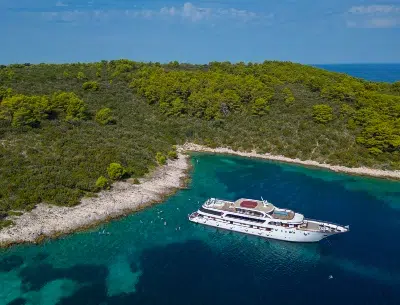
As mentioned, there are various routes that can bring you to the Kvarner Islands on a small ship Croatia cruise. Some of our favorites include the one-week journey from Split to Opatija, combining Dalmatia and the Kvarner region. You’ll tour Diocletian’s Palace with some of the world’s most well-preserved Roman architecture, explore the Dalmatian Hinterland and Old Town Zadar, sail through Kornati Islands National Park, discover the stunning lakes and waterfalls in Plitvice Lakes National Park, and visit both Losinj and Krk in the Kvarner Islands. Or focus on the Kvarner Gulf, cruising round-trip from Opatija with guided tours in Rab, Zadar, and Mali Losinj. Both include time to sample the delicious local cuisine and leap into the enticing Adriatic waters.
Must-Visit Islands in the Kvarner Gulf
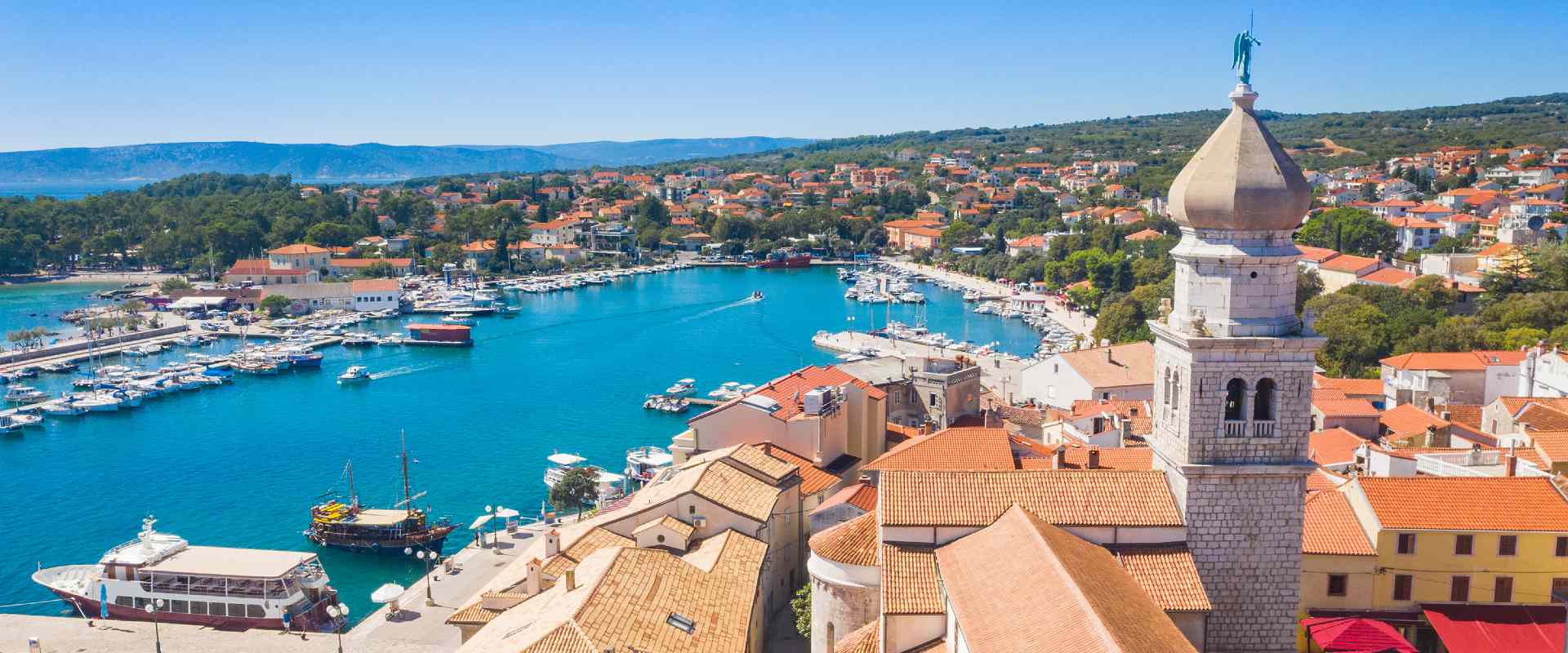
Krk
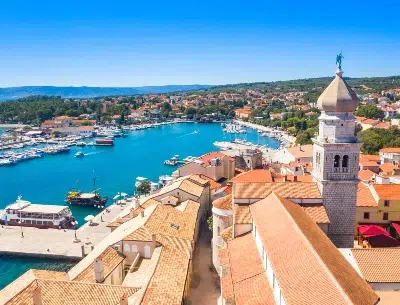
One of the Adriatic’s largest islands, 157-square-mile Krk Island offers diverse terrain with particularly beautiful beaches along its southern coast. Veli Plaza stretches for over 1.5 miles in the resort town of Baska, ideal for sunbathing, swimming, paddleboarding, and kayaking, though you’ll find many other beaches along Krk’s shores. The biggest settlement is Krk Town, a popular sightseeing destination home to the Church of Sveti Kvirin and St. Mary’s Cathedral, both built in the 12th century. If you’re looking for a unique underground experience, you can explore Biserujka Cave with stalactites and stalagmites. The impressive dining scene is a mix of traditional Croatian fare and international flavors that can be enjoyed in trendy cafes, family-run taverns, and seaside restaurants.

Cres
Cres is one of Croatia’s least developed inhabited islands. You’ll find plenty of spectacular natural beauty including beaches ideal for swimming and lush forests for tranquil walks. The endangered griffon with its up to nine-foot wingspan can also be spotted here. The island dates to Paleolithic times, also offering a rich past to explore. The Romans, Byzantines, Venetians, and first independent Croatians all left their mark. Cres Town is home to some of the remains of the towers, gates, and medieval walls built in the 16th century by the Venetians, including the City Gate and Cres Tower. The Church of Our Lady of Snow is one of the most notable buildings from the era, also featuring an 18th-century bell tower.
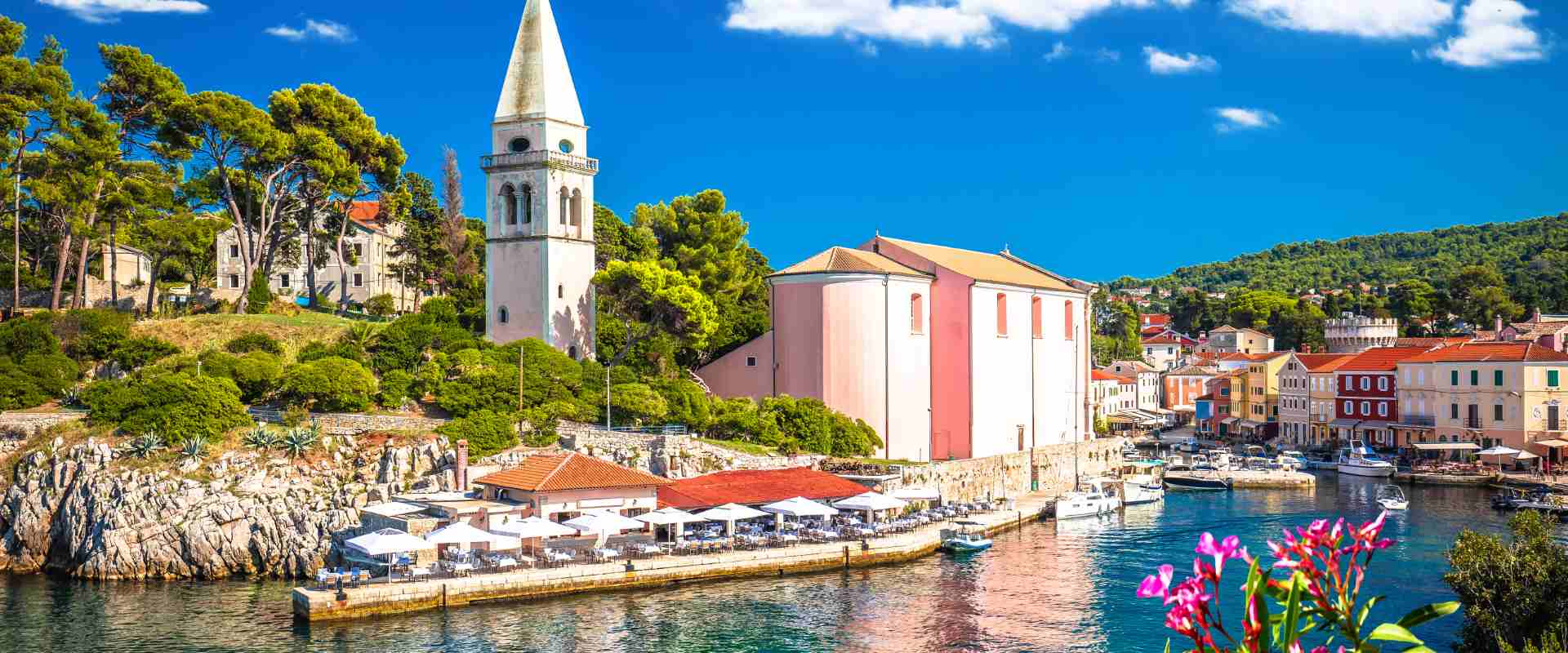
Losinj
Known as the “Island of Vitality,” Losinj attracts many who come to enhance their wellness while enjoying the natural beauty. Many healing herbs are growing wild here along with pine and eucalyptus trees while the salty sea air is believed to aid respiratory issues. Enjoy unspoiled beaches for swimming and sunbathing, and scenic walks through the forest in Cikat Forest Park. Or, take a leisurely stroll along the Dolphin Way promenade while watching for the bottlenose dolphins that inhabit the surrounding waters. If you want to learn more about the unique plants grown here and their uses, you can smell and even taste them in the Losinj Aromatic Garden.
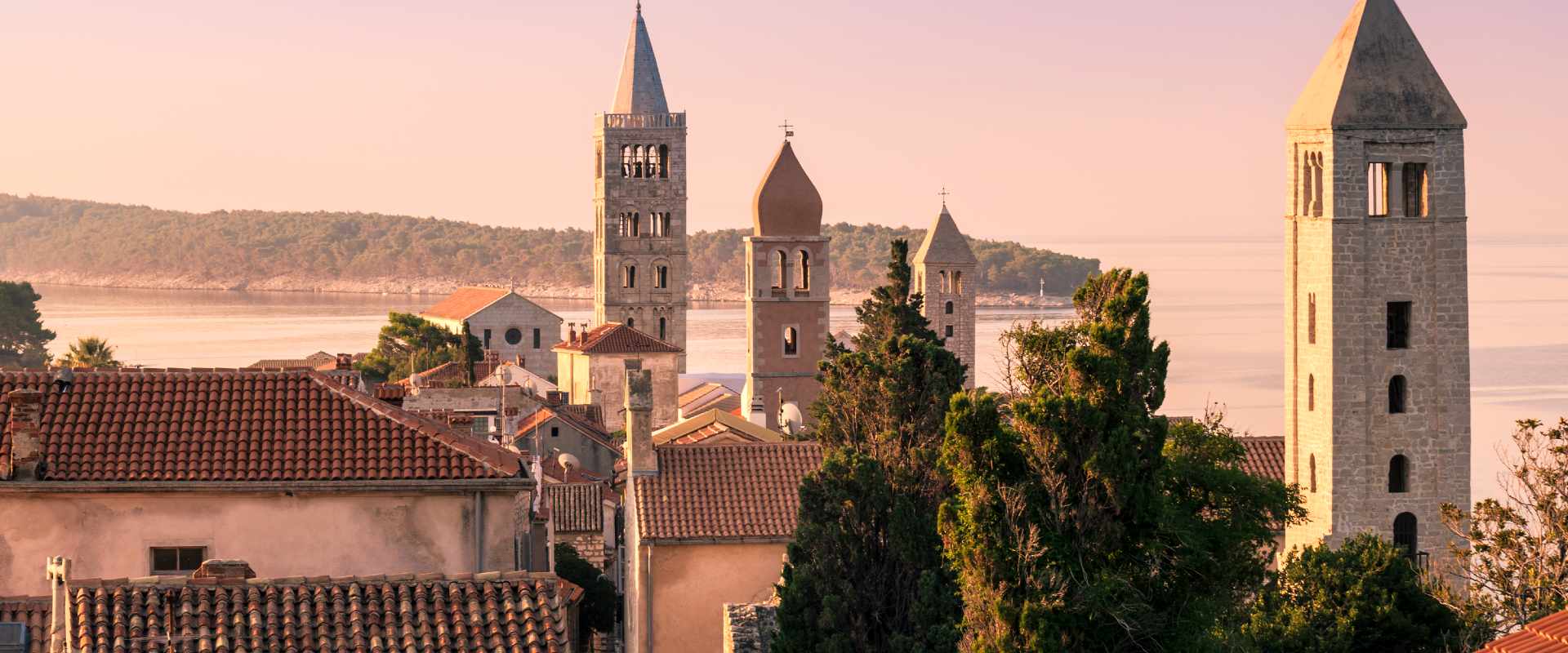
Rab
One of the most popular Kvarner Islands, Rab is renowned for its sandy beaches, with the Lopar Peninsula boasting miles of golden sands for sunbathing and watersports like kayaking and jet skiing. There are also cycling and hiking paths that travel through diverse landscapes, from rocky coastlines to forests, along with rich history to explore. Rab town boasts a historic center surrounded by centuries-old walls and a maze of narrow streets lined with well-preserved architecture, including four distinct bell towers, historic churches, and mansions. Steeped in tradition, there are frequent local festivals that showcase the island’s unique cultural heritage, including Rab Fair. The medieval festival held annually in late July, is Croatia’s oldest and largest medieval festival, dating to 1364.

Pag
Unique Pag is known for its lunar-like landscapes, hidden coves with beautiful beaches for sunbathing and swimming, production of high-quality sheep’s cheese, and vibrant culture. It’s famous for its traditional lace-making, showcased in Pag town’s Pag Lace Gallery. As you explore the streets, the local women can often be seen stitching lace in their doorways. Don’t miss the stone rose window at the 15th-century Church of the Assumption that’s reminiscent of Pag lace. Many of the eateries serve the island’s famous cheese along with dishes featuring other local ingredients that can be paired with island-grown wine, with Pag also boasting a long tradition of winemaking. Summer is particularly lively here with frequent music festivals, concerts, and other events.
Unique Activities & Attractions
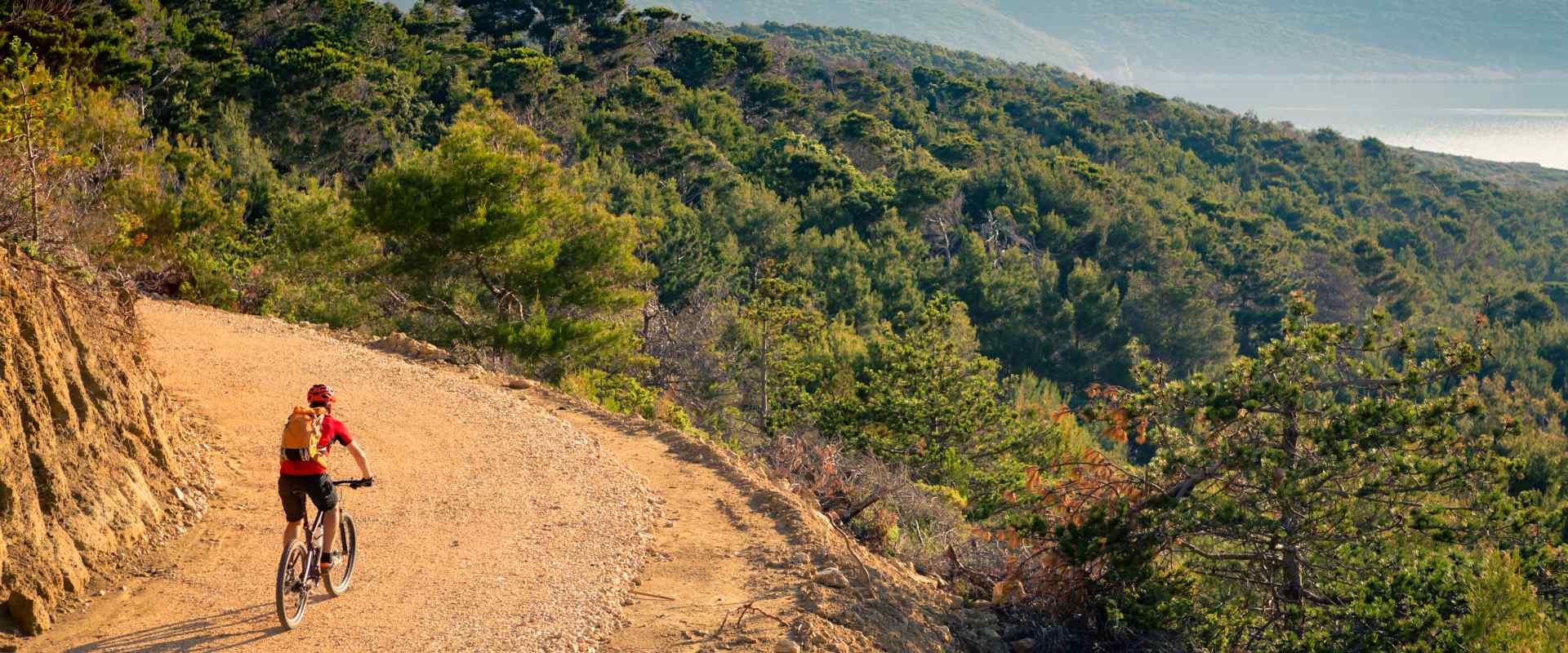
Hiking & Cycling Trails
A wide range of hiking and cycling trails for enthusiasts of all levels can be found throughout the Kvarner Gulf islands. Krk Island alone offers nearly 200 miles of marked trails for hiking, including educational trails like the 6.2-mile Golden Drops of Krk Treasure trail that can be cycled or walked. Focused on olive oil, it begins in the town of Krk, winding through olive groves to the Ethno House in Kornic, with informative signs along the way. Cres has just as many trails, from easy treks along the shore to challenging mountain trails. Whether you pedal or head out on foot, watch for some 1,400 plant species while keeping an eye out for the endangered griffon soaring above.
Beaches & Water Activities
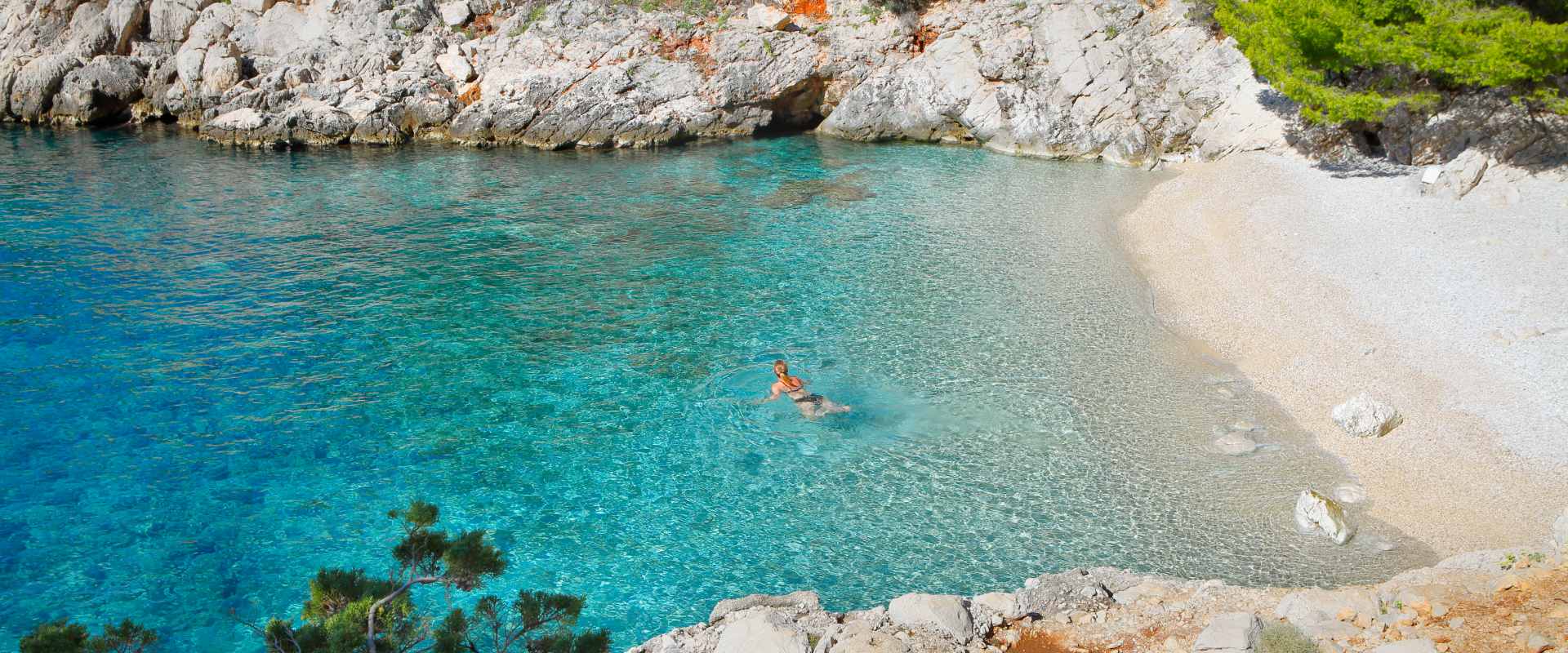
Whether you visit on a cruise or Croatia private tour, you’ll want to take advantage of the Kvarner Islands’ many beautiful beaches. Enjoy a diverse array of water activities, including swimming, kayaking, paddleboarding, and more. Krk Island offers many, including Oprna Beach with calm water for families with children, while Vela Plaza, an over-mile-long stretch, offers a waterpark, watersports rentals, and many other tourist amenities. Sveti Ivan Beach, beneath the village of Lubenice on Cres Island, is one of the country’s most remote and beautiful, tucked into a secluded cove reached via a 45-minute descent. Pag Island’s Zrće Beach frequently hosts summer music festivals while Aratore Beach in Mali Losinj offers a tranquil stretch of shady pines and shallow waters for swimming.
Historical Sites
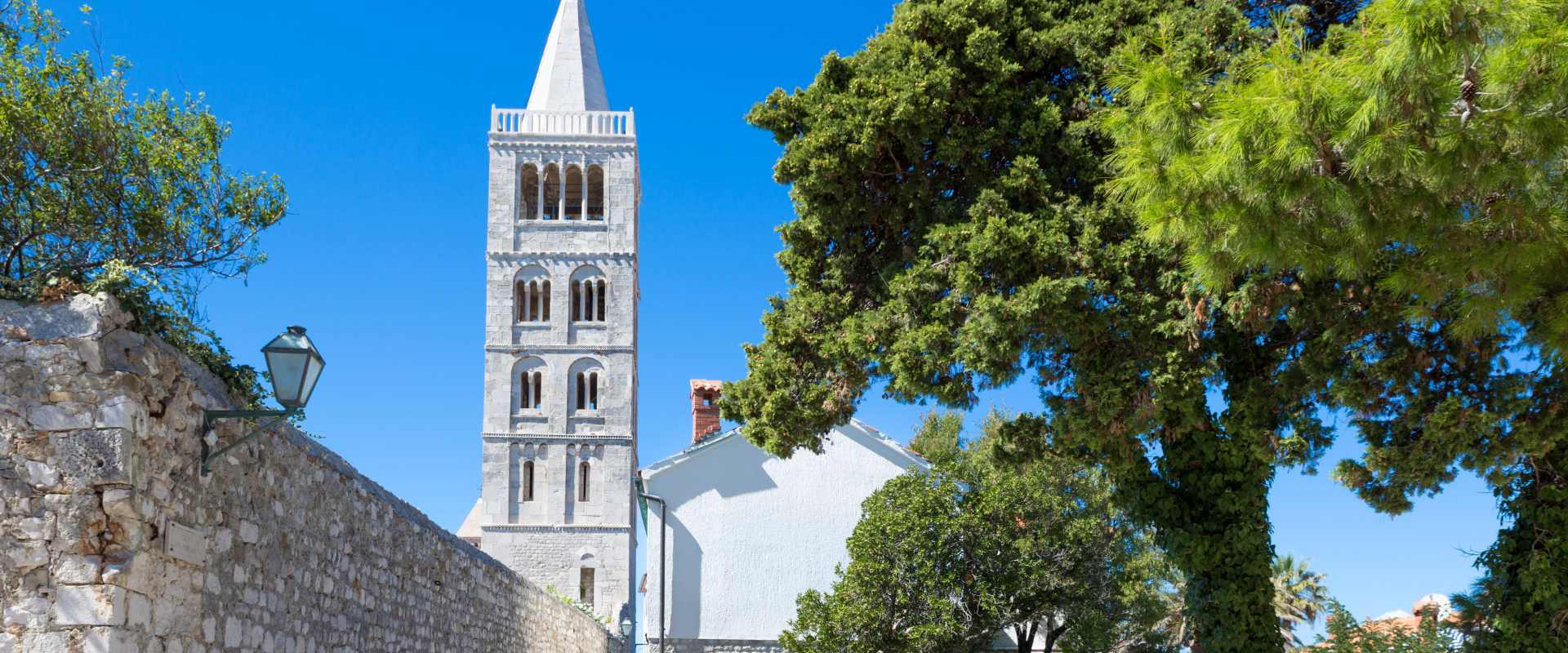
History enthusiasts will find many sites for exploring the past throughout the islands. The ancient town of Cres on Cres Island is home to the 16th-century Venetian-built City Gate and Cres Tower, once an observation post for invaders coming from the island’s interior, and the 16th-century Church of Our Lady of Snow which has an 18th-century bell tower. On Krk Island, Krk Town is home to a medieval fortress and the iconic Cathedral of the Assumption (Krk Cathedral), standing since the 5th century as one of the oldest churches in Croatia. Rab Island is notable for the well-preserved Old Town Rab with four distinct bell towers and many remains from the Roman era, including monuments and fountains.
Food & Drink
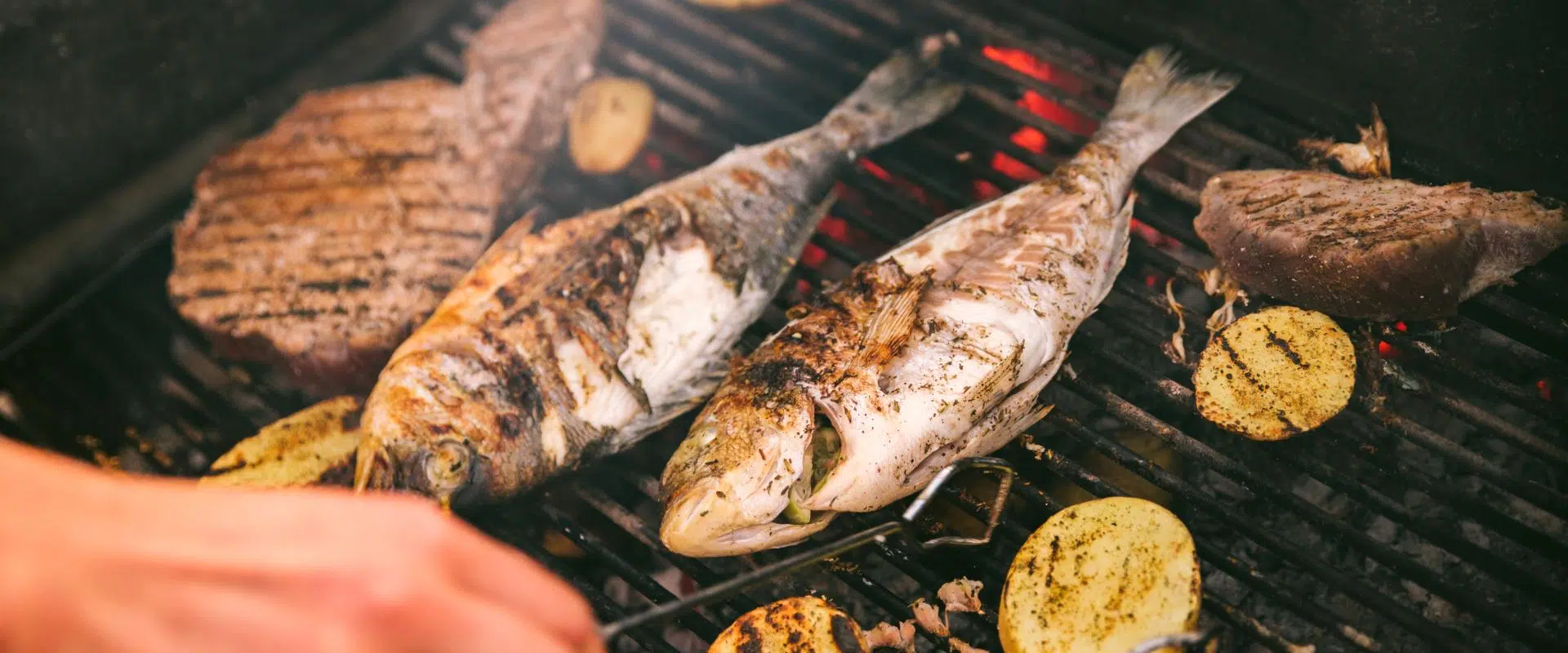
One of the highlights of visiting the islands in the Kvarner Gulf is the food and drink with delicious eats in everything from traditional konobas to international restaurants serving farm- and sea-to-table dishes. Along the coast, there’s a focus on fresh fish, seafood, and locally-grown vegetables, often using local olive oil. Signature dishes include Kvarner Bay Scampi, while Cres is famous for its succulent lamb. The islands of Losinj and Rab are known for their mussels, squid, octopus salad, and fish soup. For something sweet, try the traditional dessert called fritule, small fried pastries with various versions like rum and raisin. The island-grown wines like the white Vrbnička žlahtina from Krk and herb-flavored grappa liqueurs can enhance any meal.
Rijeka: The Gateway to the Kvarner Gulf
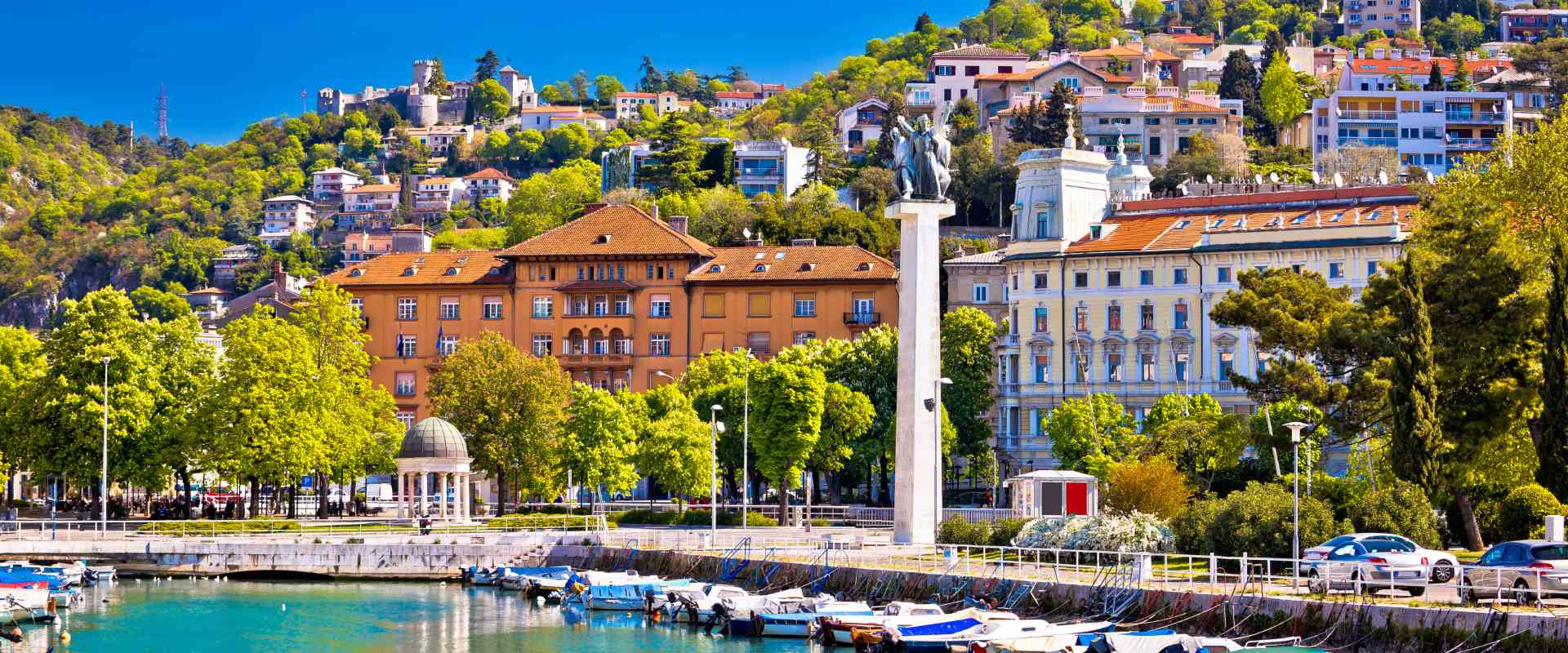
Rijeka is Croatia’s third largest city yet it’s often overshadowed by Zagreb, Dubrovnik, and Split. A major port and cultural hub, it features mostly secession-style buildings with Italianate Habsburg grandeur and neoclassical palaces tucked in between. Some of the most notable landmarks include the 13th-century hilltop Trsat Castle, built on the site of an ancient Illyrian and Roman fortress. From its elevated perch, enjoy magnificent views over the Gulf and the city. There are modern delights too, including a thriving local music scene and the Peek & Poke Computer Museum displaying a large collection of classic computers and video games. When it comes to dining, you’ll find everything from local specialties, including Venetian-inspired dishes and fresh seafood, to upscale restaurants serving international fare.
Best Time to Visit the Kvarner Gulf
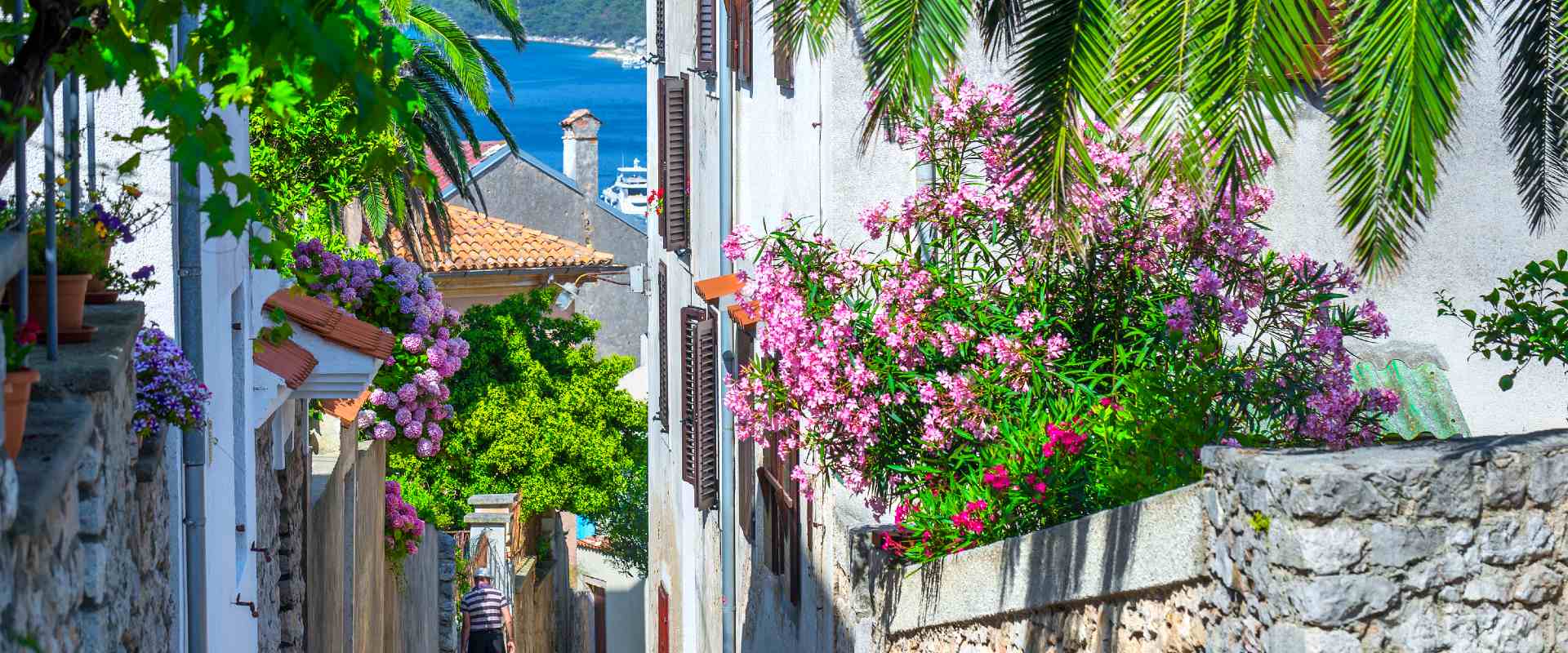
With a mild climate, the Kvarner Gulf can be visited year-round, but with a focus on the beautiful outdoors and recreational activities, to make the most of it, the best time to visit is late May through early October. Sunshine is abundant and temperatures will be at their warmest, with July and August bringing average high temperatures in the mid-80s. Summer is also the busiest time to visit, with a lively atmosphere, music festivals and concerts. If you want to avoid the crowds, consider visiting earlier or later in the tourist season, around late May/early June or late September/early October, with the latter the best time for swimming, with the sea pleasantly warm.
Talk to our Croatia Cruise Experts Today
Receive a detailed quote within 24 hours
You may be interested in

Istria or Dalmatia?
If you're trying to decide whether you should visit Dalmatia or Istria, that's a tough call to make. Istria is often compared to Italy's Tuscany…
Croatia’s Northern Islands
Croatia is renowned for its beautiful islands, with over 1,200, including 49 that are permanently inhabited. Unless you have unlimited time, it's virtually impossible to…
How to Avoid Seasickness on a Croatia Cruise
Seasickness is one of the most common concerns first-time cruisers have. Even experienced cruisers might wonder about the potential for seasickness on a small-ship Croatia…