Off the Beaten Track in Croatia
Nearly everyone knows about Dubrovnik, Split, Plitvice Lakes National Park, and Hvar Island, but what about getting off the beaten track in Croatia? It’s well worth visiting the popular destinations in Croatia, but there are plenty of enticing places to explore where you can avoid the crowds. In some cases, you might even be the only tourist around. Discover everything from ancient history with fascinating Roman ruins and Venetian buildings to glorious nature. There are nearly endless pristine beaches for soaking up your own slice of serenity along with opportunities to play in the water, including snorkeling, diving, parasailing, and more. In between, you’ll have the chance to indulge in a wide variety of authentic eats, perhaps paired with tasty regional wines.
Speak to the Expert
Going off the beaten track allows you to uncover Croatia’s hidden gems and enjoy a more authentic and intimate travel experience, discovering breathtaking natural wonders and fascinating historical sites.
Muno
Croatia Cruise Specialist

Porec
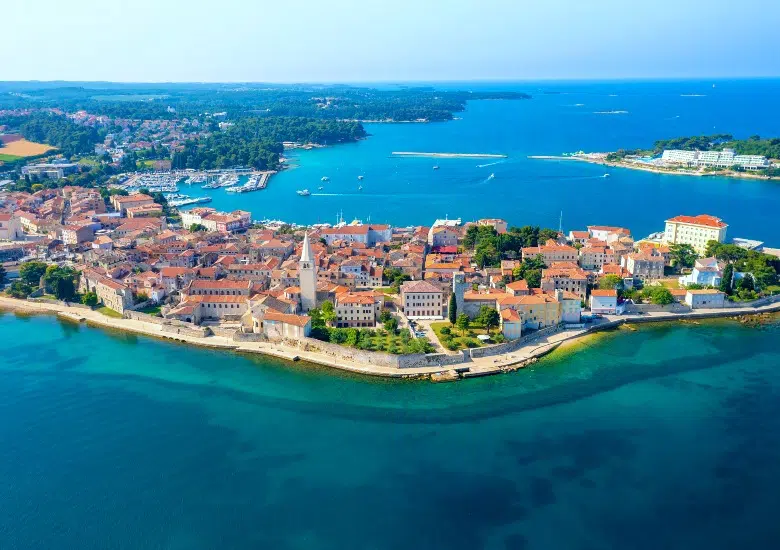

An ancient Roman town with a rich city that dates back nearly two thousand years, Porec is nestled along the west coast of the Istrian peninsula. The entire historical center of Porec has managed to maintain the original Roman street system with Marafor Square at the center. This is where public gatherings took place and nearby are the ruins of the Temples of Mars and Neptune, built in the 1st and 2nd centuries. The 6th-century Euphrasius Basilica complex is one of Porec’s crown jewels. A UNESCO-listed site, it includes the basilica, a sacristy, a baptistery, and the bell tower of the archbishop’s palace. There are also beautiful beaches, with activities like parasailing, jet skiing, and dolphin-watching boat tours all popular here.
Novigrad


Located just north of Porec and the River Mirna, a short drive south of Slovenia, the small walled town of Novigrad has retained its original medieval layout, including narrow winding streets while the surviving wall still features round towers and battlements. There are sights worth seeing, some of which reveal glimpses of its Venetian past like the town loggia with beautiful sea views, and homes that were built in Venetian-Gothic style. Take a stroll along the picturesque waterfront promenade where you’ll find many excellent cafes and restaurants that invite one to linger. There is a wealth of idyllic beaches too. Despite being such a gem, Novigrad is often overlooked by tourists but that just makes it even more for those who make it here.
Groznjan
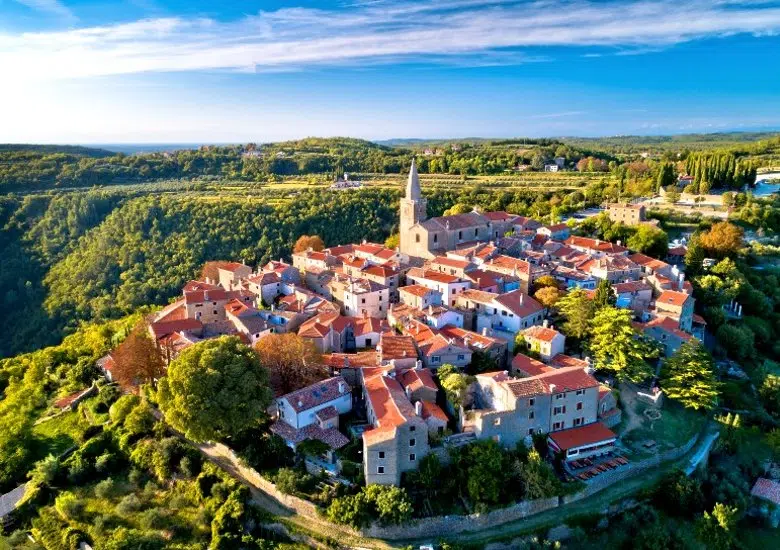

An Istrian hilltop town, as you step through the main gate on the east side of the walls of Groznjan you’ll feel as if you’ve gone back to the medieval era. The only town with an Italian majority, its history dates back to the Middle Ages, first documented in the early 12th century when it was controlled by the Patriarchs of Aquileia. From 1358, it was under Venetian rule, becoming insignificant after its decline with just 200 permanent residents here today. There’s plenty of history to explore, including the 16th-century town loggia, now home to Fonticus Gallery, the 18th-century Baroque-style parish Church of St. Vitus, and the medieval castle across from it. Many of the historic buildings now house art galleries, studios, and ceramic ateliers.
Brijuni National Park
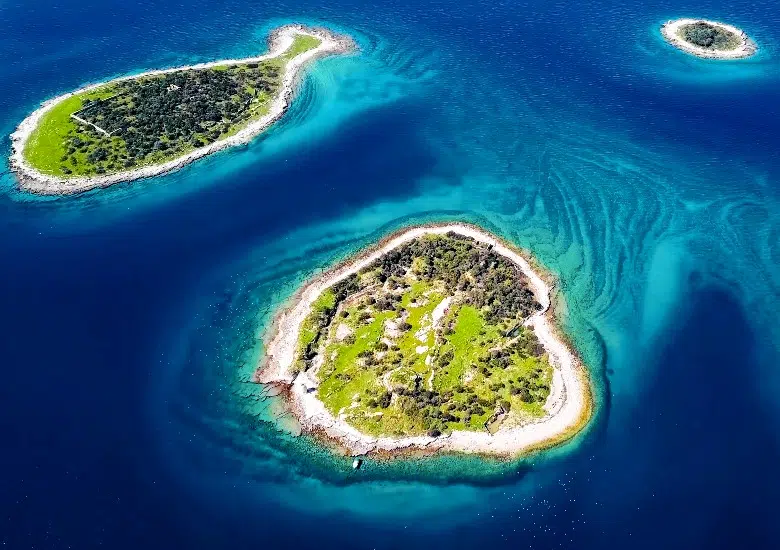

Brijuni National Park is made up of a string of 14 islands that lie off the Istrian Peninsula north of Pula. The only one open to visitors is the “Great Island,” or Veli Brijuni, which can be accessed by ferry from the mainland town of Fazana in about 20 minutes. There is a wide range of activities and attractions available, including swimming, hiking, and biking. Verige Bay boasts crystal-clear blue waters and unspoiled white sand beaches perfect for relaxation, along with a 1st century BC Roman villa. There’s even a safari park along the northern coast of the Great Island with a variety of creatures like zebras, elephants, ostriches, Istrian sheep, goats, donkeys, and llamas, especially ideal for families.
Cres
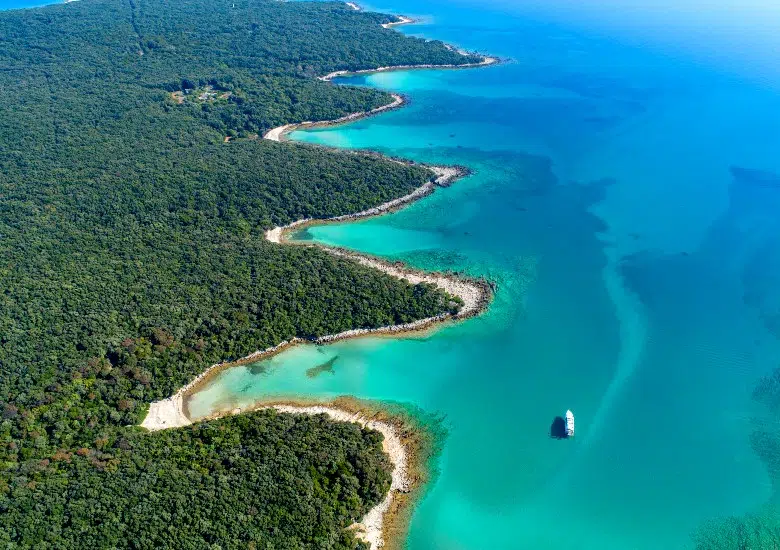
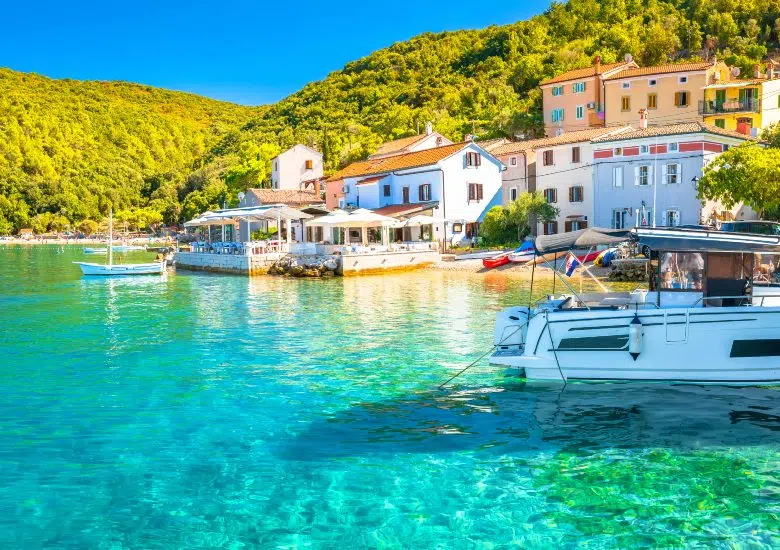
Cres Island is tucked into the northern corner of the Adriatic in the Kvarner Gulf, accessed by ferry from Rijeka. One of the largest but least developed in Croatia, it’s a nearly untouched gem with over 150 square miles of rugged wilderness. There are just 3,000 permanent human residents and an estimated 80 breeding pairs of rare griffon vultures. If you’re lucky, you’ll see one spread its wings while soaring through a colorful sunset. The diverse landscapes include everything from postcard-perfect beaches to olive groves and vineyards, while a wealth of history waits to be explored. Cres Town has been inhabited since the Palaeolithic era and influences by the Romans, Byzantines, the first independent Croatians, and Venetians can all be seen.
Rijeka


Rijeka is one of Croatia’s largest cities, located in the Kvarner Gulf, yet it’s not nearly as visited as destinations like Split, Dubrovnik, and Zagreb. You’ll find a unique blend with a gritty 20th-century port featuring neoclassical palaces sandwiched between the mostly secession-style buildings, and Italianate Habsburg grandeur. It’s one of the best when it comes to local music with a thriving scene that was born in the 1970s thanks to the significant student population. Rijeka also boasts historic landmarks like the City Tower, a symbol of the city, and 13th-century hilltop Trsat Castle, built on the site of an ancient Illyrian and Roman fortress providing breathtaking views over Kvarner Bay and Rijeka from its elevated vantage point.
Krk
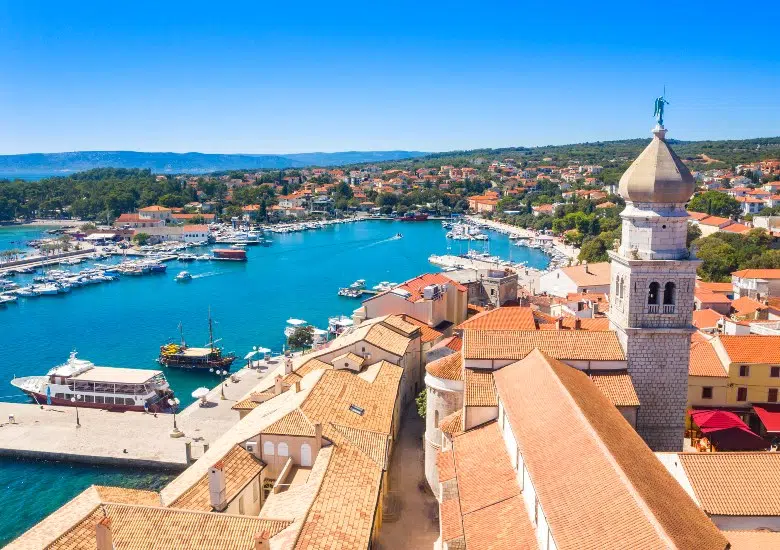

The most populous and one of the largest islands, Krk covers more than 157 square miles in the Kvarner Gulf. You might visit Krk Town on a private Croatia tour with landmarks like the 12th-century Church of Sveti Kvirin with Roman mosaics pointing to a 1st-century bathing complex. Krk Cathedral, or The Church of the Assumption of the Blessed Virgin Mary, houses many items of great value, including a large marble altar and paintings by Italian masters. During the summer, it serves as a venue for concerts. Krk is also home to Biserujka Cave with stalactites and stalagmites, while beautiful beaches like Vela Plaza in Baska with SUP rentals, an aquapark, a kids’ playground, beach chairs and umbrellas, stretch along the south coast.
Losinj
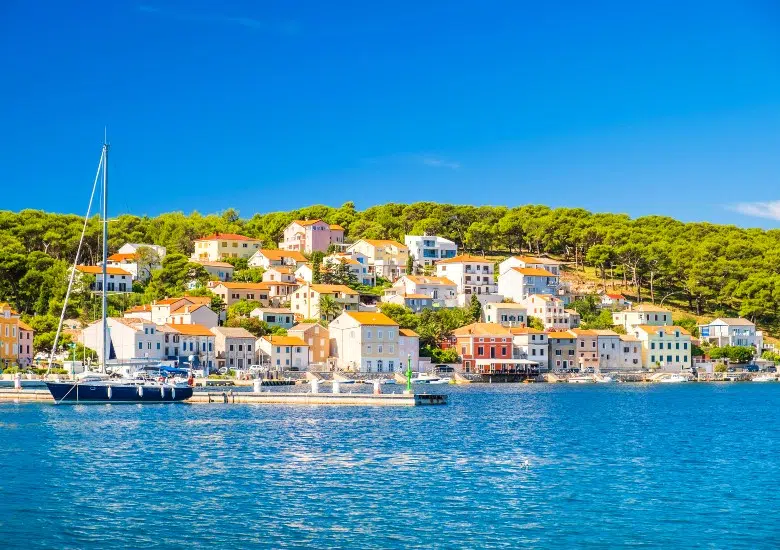
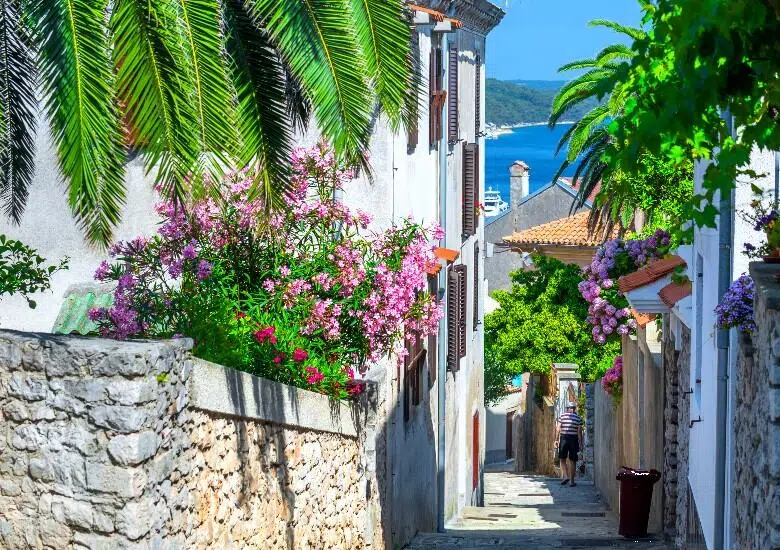
One of the loveliest places to include in a Croatia vacation, Losinj is also tucked into the Kvarner Gulf region. It’s renowned for its picturesque natural harbor, spectacular bays, rugged inland wilderness, and abundant sunshine. Called the “island of wellness and vitality,” by the locals, its purifying sea air is known to aid those with respiratory issues. Plus, there are hundreds of plants, including medicinal herbs, along with eucalyptus, lemon, and pine trees. The two main towns, Mali Losinj and Veli Losinj, provide easy access to the scenic countryside and the beaches, many with pines providing shade from the sun. Swimming, snorkeling, and windsurfing are just a few of the popular activities in Cikat Bay which has a lovely sandy beach.
Pag
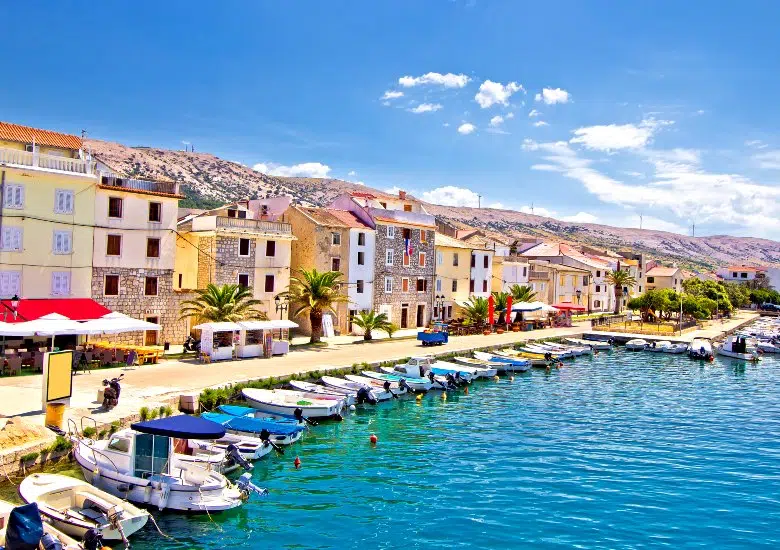
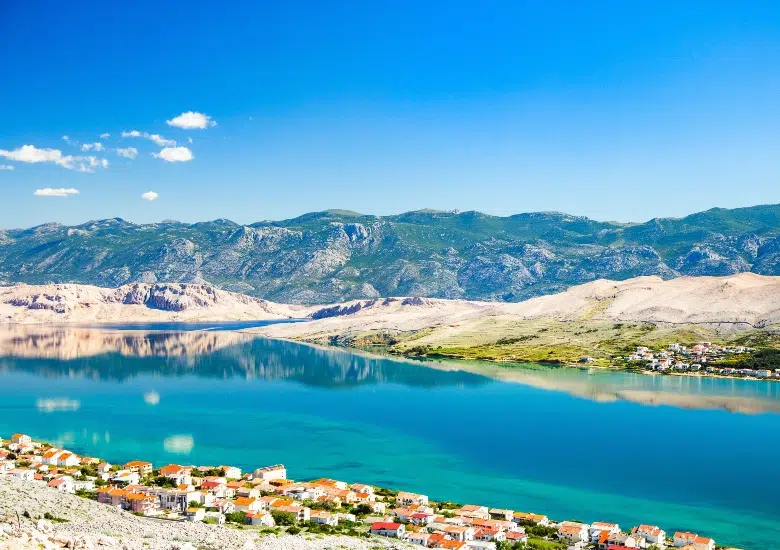
Pag is a unique island with much of it often compared to a lunar landscape, with a moon-like appearance due to its barren, rocky landscape, most notably on the side exposed to Velebit Mountain. But it also boasts beautiful beaches framed by brilliant turquoise water and intriguing history. Pag Town and Novalja are the main towns, with Pag featuring medieval streets overlooked by a 15th-century cathedral and charming shops where you’ll see the local women stitching lace in the doorways. Novalja is the place to go for surprisingly impressive nightlife. You’ll find delicious eats throughout, including Paški sir, Pag’s famous cheese, and one of Croatia’s most acclaimed culinary exports. The island has a long tradition of winemaking as well.
Silba
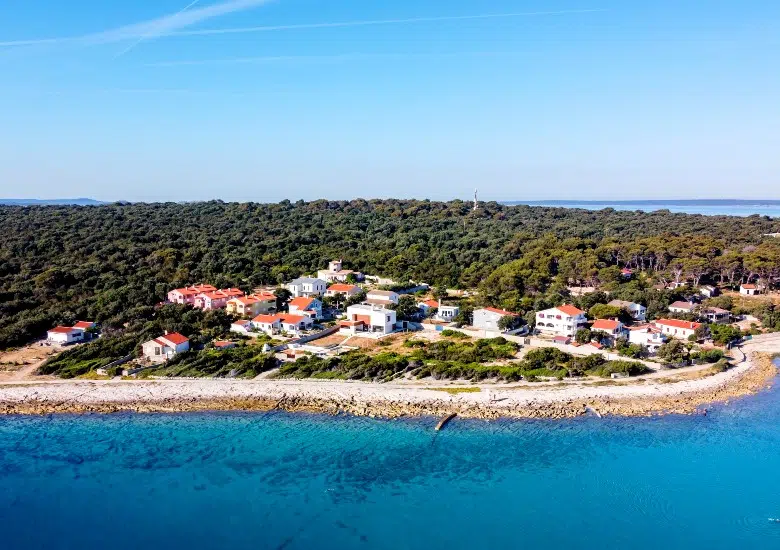
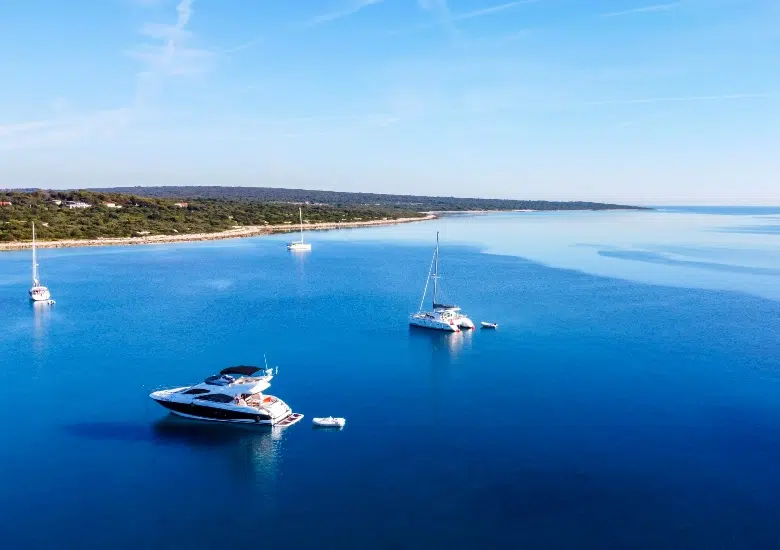
Silba Island is a great place to relax and rejuvenate with picturesque beaches shaded by pines. Dobre Vode is small but idyllic with a shallow sandy bottom and crystal-clear aquamarine water. Snorkeling among schools of fish and even sunken sarcophagi is possible in Pocukmarak Bay. The charming streets in the town of the same name are lined with large homes that once belonged to captains, revealing Silba’s rich maritime past. One of the most popular things to do is to climb the landmark Toreta Tower, also known as the “Tower of Love,” with its panoramic view and love story. A local captain built it for his betrothed so she could watch for his boat when he returned, according to historical documents.
Sibenik
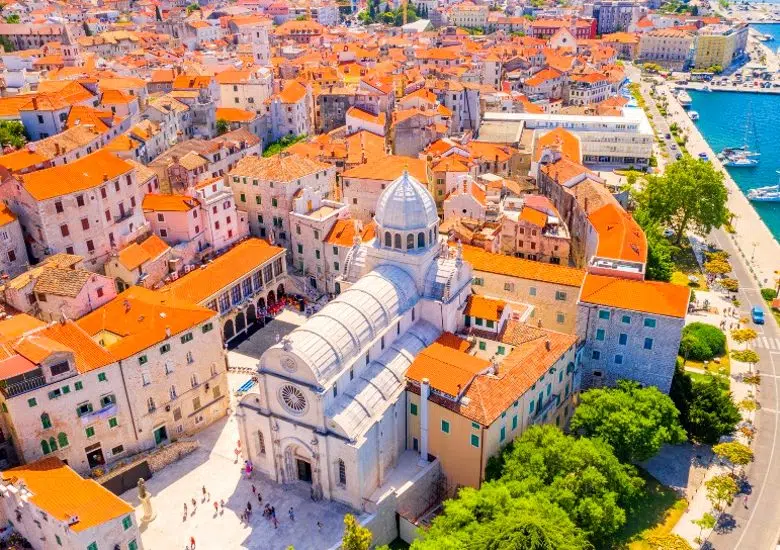

One of the most well-fortified cities in the Adriatic, Sibenik has four fortresses. It sits around a natural port and was established over a thousand years ago. With its waterfront promenade, forts, and city walls, it’s like going back in time. The UNESCO-listed St. Nicholas fortress sits on an islet, accessed by a tour that will bring you there by boat. In the historic center, you’ll find St. James Cathedral with its golden globe. Another UNESCO World Heritage Site, built between 1432 and 1536, it can be seen from many vantage points throughout Sibenik. You might recognize the frieze with its 71 sculptured faces of men, women, and children featured in “Game of Thrones” as the House of Black and White.
Kornati Islands

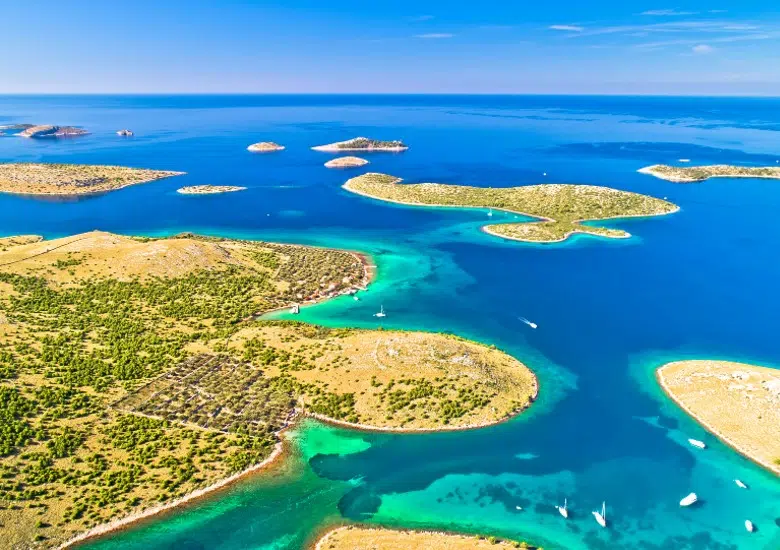
About two-thirds of the 140 Kornati Islands are part of Kornati National Park in Northern Dalmatia. Many visit as part of a small-ship cruise but tours are also available departing from Split, Sibenik, Zadar, and other points on the mainland. Once you’re here you’ll discover karst limestone isles with sea caves and dramatic cliffs that soar as high as 262 feet. It’s an ideal destination for swimming and snorkeling with remarkably clear turquoise waters. There are opportunities to hike too, with scenic trails like Litnjui vrh, a one-mile loop winding to a lookout point on Vela Smokvica. Don’t miss Tureta Fortress on Kornat Island, built in the 6th century on a hilltop providing a breathtaking view of the sea and surrounding islands.
Solta


While it’s easy to reach from the mainland, 60 minutes or less depending on the departure point, Solta Island isn’t as developed as many of the inhabited Croatian islands. Having been inhabited since prehistoric times, it has an intriguing past as a favorite of Roman Emperor Diocletian who often came to fish. In fact, the remains of his fish market are still visible in Necujam Bay. The ruins of a prehistoric fortress and sarcophagi can be seen as well. The highlight, however, is the sheltered coves with uncrowded beaches edged by crystal-clear cobalt water. Banje is one of the more notable, close to the ferry port in Rogac providing an especially tranquil atmosphere and a breathtaking panorama.
Čiovo


Located west of Split, connected to the city of Trogir by a bridge, Čiovo is easy to reach yet not often visited. It offers sun-soaked beaches for sunbathing and secluded bays with clear blue waters for snorkeling, paddleboarding, and kayaking. You’ll find scenic hiking trails too. Čiovo is interesting historically having been inhabited since prehistoric times, with a number of impressive sights revealing its past, including the 16th-century Church of Our Lady of Prizidnice built by a hermit who had settled at the site several years before. The early 15th-century Gothic-style Dominican Monastery of the Holy Cross in Arbanija is famous for a miracle in the 19th century when Jesus’ wounds started bleeding on a cross behind the altar.
Lastovo


The island of Lastovo lies off the Dalmatian Coast facing Korcula Island. A lush, green jewel, the entire isle is a nature park, filled with beautiful bays and beaches that vary from rocky to sandy. The crystal-clear aquamarine water is ideal for snorkeling and diving with vibrant coral and colorful fish. You’ll find diving centers in the villages of Zaklopatica and Pasadur. Its largest village is also called Lastovo, located inland on a steep slope that overlooks grapevines and olive trees, tucked beneath soaring peaks. It has a rich architectural heritage with Renaissance, Gothic, and Baroque influences. The charming streets are lined with red-tiled rooftop stone homes and historic churches like the 700-year-old Church of Saints Cosmas and Damian.
Papuk Nature Park


Picturesque Papuk Nature Park is located in eastern Croatia near the city of Pozega, covering approximately 208 miles with lush rolling hills, the largest mountain in the Slavonia region, dramatic rock faces, forests, grasslands, waterfalls, and clear blue streams. It’s a popular destination for hiking, rock climbing, biking, and paragliding. If you want to explore it more in depth, there are mountain cabins for overnight stays. For those looking for an adrenaline rush, it also hosts the Duboka Adrenaline Park, with a zip line and all sorts of ways to test your adventurous side and your skills, including options for the kids and adults alike. Mountain bike rentals are available for hitting the park’s trails too.
Osijek

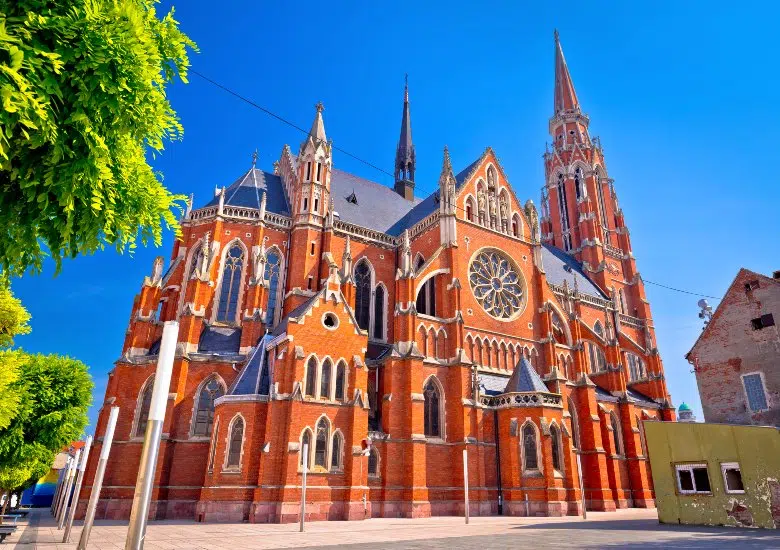
One of Croatia’s larger cities, Osijek is a cultural hub in the east close to three international borders: Hungary, Bosnia and Herzegovina, and Serbia. It’s deep inland, about as far from the sea as it gets in Croatia, and is rarely visited by tourists yet it offers plenty to see and do in addition to providing a great base for exploring multiple countries. The surrounding area is renowned for producing excellent white wines while wetlands are inhabited by rare birds. In the town itself, you’ll find a medieval historic center with a serene square, pretty parks, intriguing museums, and the chance to enjoy walks along the river. In the summer, there are all sorts of events, including Osijek Summer Nights.
Ilok
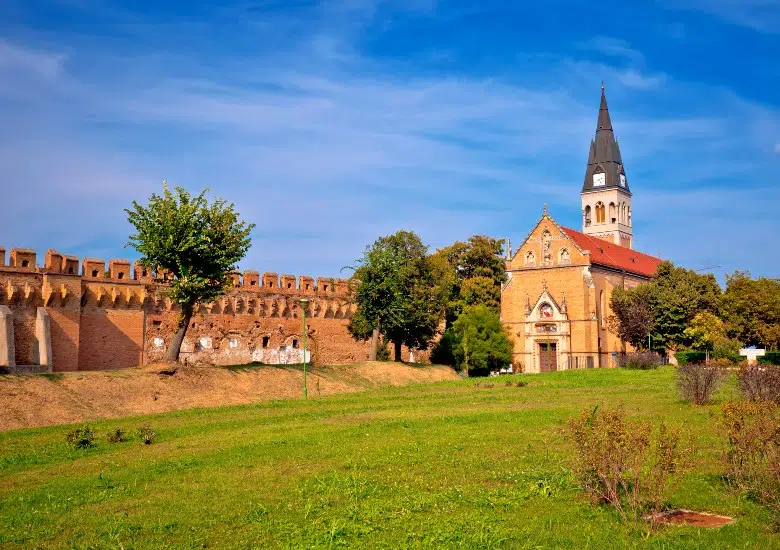

The easternmost town in Croatia, Ilok is nestled in the Srijem wine region and boasts a panoramic view of the lush vineyards. The medieval Old Town is enchanting, set on a small hill surrounded by the Danube and the vine-covered hills. You’ll see a massive fortress, a royal court, a church and monastery with a tower, a picturesque park, and colorful gardens. The Baroque-Classicist Odescalchi Castle is the central building, housing the town’s famous old cellars and its museum which showcases a medieval, archaeological, ethnographic, and art collection. The main reason to visit is the wine, with a winery or wine cellar on nearly every street. The owners and growers have opened their doors for tastings alongside local bites.
Top Croatia Tours
Discover Croatia Cruise and Land Tour
Deluxe Cruise
 10 Nights | May 2026 - Oct 2026VIEW ITINERARY
From $3,495 per person
- 10-night cruise & land tour on board a deluxe ship
- Explore the full length of Croatia starting in Zagreb and finishing in Dubrovnik
- Pre-cruise private land tour to visit the spectacular Plitvice Lakes and capital of city Zagreb
Enchanting Southern Dalmatian Coast Cruise Tour
Deluxe Cruise
9 Nights | May 2026 - Oct 2026VIEW ITINERARYFrom $3,195 per person
- 9-Night Croatia cruise and land journey with a visit to Montenegro
- Enjoy overnight stays in Split and Dubrovnik with a 7-night cruise included
- Discover the Croatian coastline on a deluxe vessel accommodating up to 36 guests
Talk to our Croatia Cruise Experts Today
You may be interested in
Countries to Combine Croatia With
While Croatia has lots to discover from its hundreds of islands to ancient seaside cities, if you have the time, consider visiting one or more…
Where to Go After Your Dalmatian Coast Cruise
On your Dalmatian coast cruise, you're likely to visit coastal cities on the mainland like Split and Dubrovnik while island-hopping in between, perhaps to Hvar,…
Croatia or Montenegro?
Croatia and Montenegro are neighboring countries, both with plenty to offer. Both can easily be visited on one of our land-cruise tours. They share the…